
We Create to Return to Ourselves - and 5 Simple Ways to Begin Today
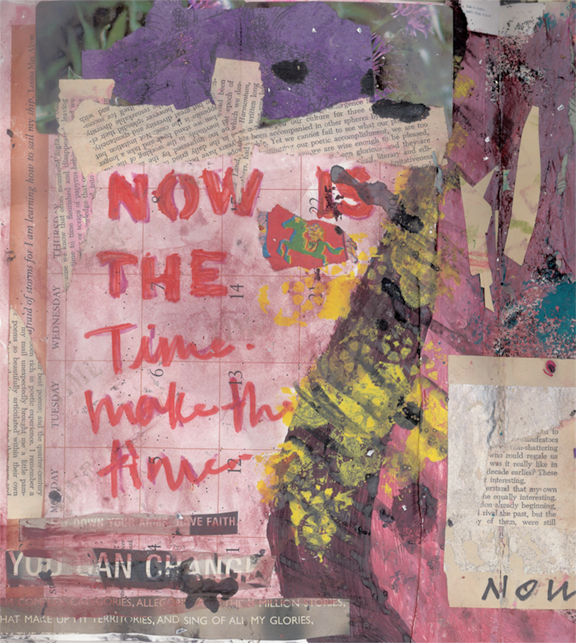
A page from an old collage journal
We don’t create to be productive. We create to stay human.
We create to ground ourselves when the world feels loud, fragmented, and endlessly demanding. We create to discover who we are beneath the noise, to listen to what has been waiting quietly inside us, and to access a deeper kind of personal power. We create to return to ourselves.
Creation isn’t optional for the soul. It’s an impulse, it’s a remembering. When we ignore it for too long, something in us starts to feel dull. We feel disconnected, restless, unfulfilled — even when everything on the outside looks “fine.”
We create to express emotion, to move pain and trauma, to honor joy, to give shape to inner wisdom. Sometimes we create to share a message. Sometimes we create as the message. Either way, creation restores our relationship with ourselves.
When I go too long without creating, I feel it. I become restless, irritable, and disconnected — like I’m not being fully honest with myself. Creativity may surface in other ways, but there is something irreplaceable about the intentional act of making. Something direct and necessary.
In earlier years, creation was one of my only tools for processing fear, frustration, and the feeling of being trapped. Art gave me access to the deep, wounded parts of myself. It nurtured me. Nourished me. No one else could do that work for me.
Now, creation arrives differently. Fear and frustration are still part of being human, but over time I’ve gathered more tools to navigate them. Having worked through much of the angst of my youth, there are moments when I paint and enter a quiet, almost zen state — a subtle shift in consciousness. It feels as though I’m drawing from a deep well, connected to a larger creative current moving through nature, the body, and time itself.
Creation returns me to flow. To energy. To myself.
Creation allows us to hear what the world often drowns out: that we have a voice uniquely our own.
And creation doesn’t only look like art on a wall. We create through cooking, decorating a home, sewing, knitting, dancing, singing, writing, collaging, making music, sound healing, the intuitive art of touch and bodywork, etc. We foster creativity wherever presence, curiosity, and care meet.
Especially now, creating is an act of devotion. A refusal to stay on the surface. A decision to turn inward and to remember that beauty, meaning, and aliveness are not luxuries.
They are necessities.
We create because we are designed to. And in creating, we find our way back to ourselves.
Action Steps: Begin Where You Are
1. Notice the Absence
Pay attention to how you feel when you haven’t created in a while. Restless? Dull? Irritable? Let that be information, not judgment. Write about it in a journal. My current favorite journal is this beautiful soft cover peacock journal that my sister gifted me and I also love these leather traveler notebook ones with refillable paper and different sections! I think it makes a difference to choose a journal that you love writing in. You can also record yourself speaking with your phone or a voice recorder. Ask what feels sad, disconnected, stagnant or unheard.
Creation is often less about inspiration and more about simply the act of doing it.
2. Choose Something Low-Pressure and Private
Pick one small act: doodle in the margins of a notebook, rearrange a quiet corner of your home, cook a meal slowly and intentionally. Keep it small enough that resistance doesn’t take over.
Small beginnings are not only powerful, but important.
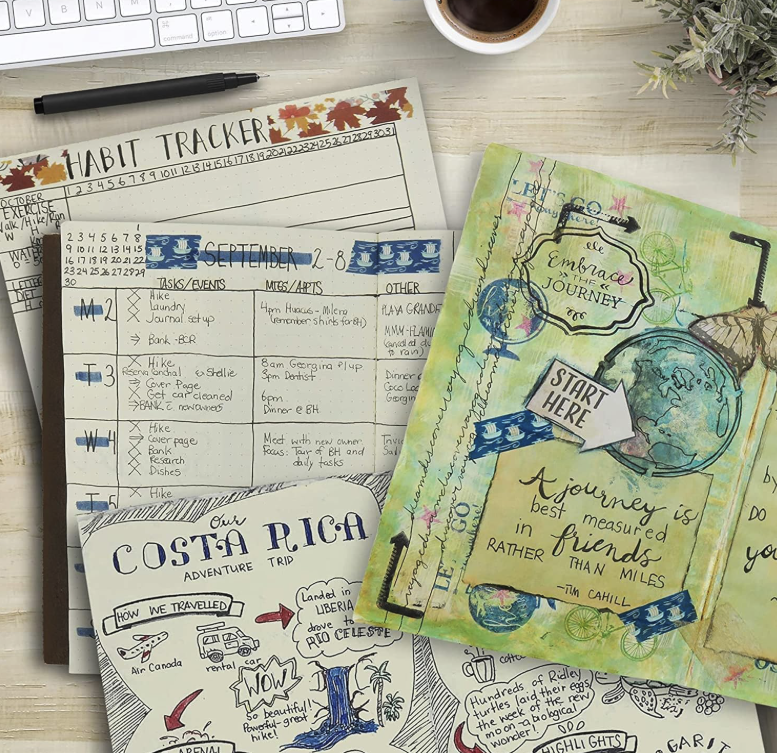
WANDERINGS A5 Travelers Notebook/Handcrafted Genuine Leather Journal
3. Give Yourself Permission to Be Imperfect
Create badly. Slowly. Without polish. Use inexpensive materials if you need to remove pressure (try a beginner acrylic set like this or a beginner watercolor set like this. I love these mixed media notebooks because they can hold water based paints.) The goal is not to impress — it is to express.
Perfection is performative; creation reveals what needs to be revealed.
4. Let Creation Be About Access, Not Output
Instead of asking, What can I produce? ask, What wants to move through me? Start to make a shift from performance to inner listening.
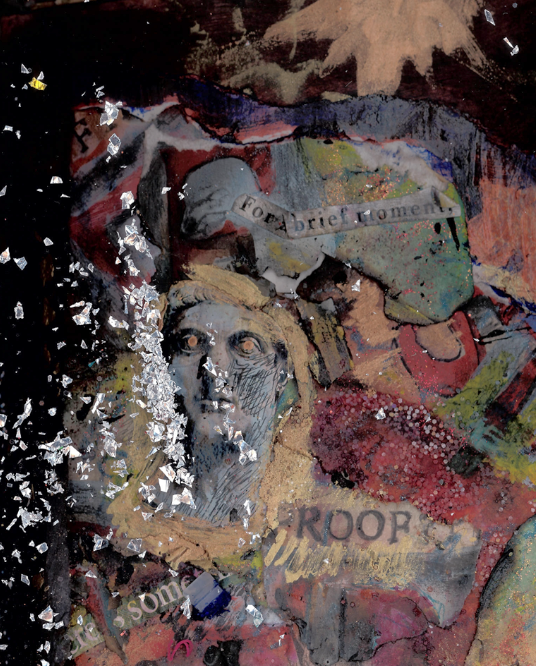
A page from an old collage journal
Creation is a doorway. Approach it as a way in.
5. Ask: What Part of Me Wants to Speak Right Now?
Is it the tired part? The angry part? The hopeful part? The playful part?
Let that voice lead. Often the most powerful work comes from the parts we’ve ignored.
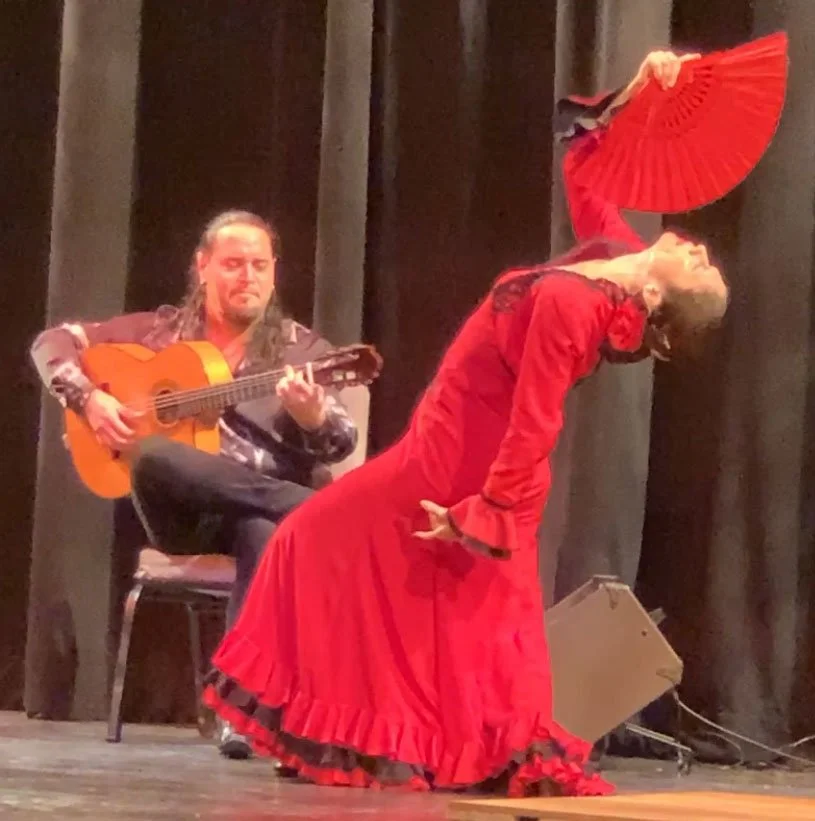
Recent flamenco performance I enjoyed.